Term 1 · Week 7 · Parent reading companion
A Place to Hang the Moon · Chapters 3–5
Read these chapters across the week in a way that works for your family.
Read & Talk
Beside the book · open a row when you need it
1 · RememberWhere did we leave off?
Before opening the book, invite each child to recall something from the last reading. A detail, a person, or what happened last is enough.
2 · Read TogetherThis week's chapters, in your own rhythm
Read aloud, take turns, or let them read independently. Pause wherever it makes sense for your family.
3 · Help Your Child NarrateOral telling first; writing afterward
Close the book and ask, “Tell me what you remember.” Let each child speak in their own words; give them time and listen without interrupting or correcting.
If they pause, try one gentle “What happened next?” When they finish, notice one detail they recalled.
For the week’s written response, let them say their thought aloud first. They may tell far more than they can put on paper yet. A shorter written response is okay.
4 · Talk · QuestionsUse if helpful after oral narration
Questions 1–3 are also on the handout for this week’s written response. For conversation, choose one or two after narration. Question 4 gives you another direction.
- What happens to Edmund during the train journey? You might also ask: What does Edmund’s response show you about him?
- Who shows the children kindness during the journey, and what do they do? You might also ask: What does that kindness tell you about how this person sees the children?
- Which family chooses the children when they arrive in the village? You might also ask: What do the Forresters’ first words or actions suggest about the welcome the children might receive?
- Think back to the books the children chose or the way they read. What does each choice reveal about their personality?
Handout & Language Support
Answers and guidance for the written work
Check Little LanguageTry it on paper first, then compare answers
They were tired, but they kept walking. (“And” or “so” may also fit.)
The house was big, but it felt cold.
No one wanted them, but they did not give up.
She knocked twice, but no one answered.
Prepare for DictationHow to study the passage before writing
Read the passage together. Ask your child to notice capitals, punctuation, and tricky spellings. Let them study those words, cover the passage, and try writing it from your slow reading during Session Two.
Words Worth KnowingChoose and explore a word from the reading
Begin with the completed example row. Have your child pick another word in the reading that catches their attention. Look it up together: its dictionary meaning is its denotation.
Ask, “What feeling does it carry here: warm, harsh, lonely, hopeful, or something else?” That is its connotation. Reread the sentence and ask, “Why might the author choose this word instead of a simpler one?” Let your child put their answers in the blank row.
Keep Your WorkWeekly response, dictation, and One Keep
Read the handout together, notice one thing your child did well, and keep it in a course binder or portfolio.
Go Further
Art, music, nature, and a connection to explore
Art, music, nature & connectionsArt, music, and nature study
Follow what interests your family; there is no extra page to complete.
Art · Look closely
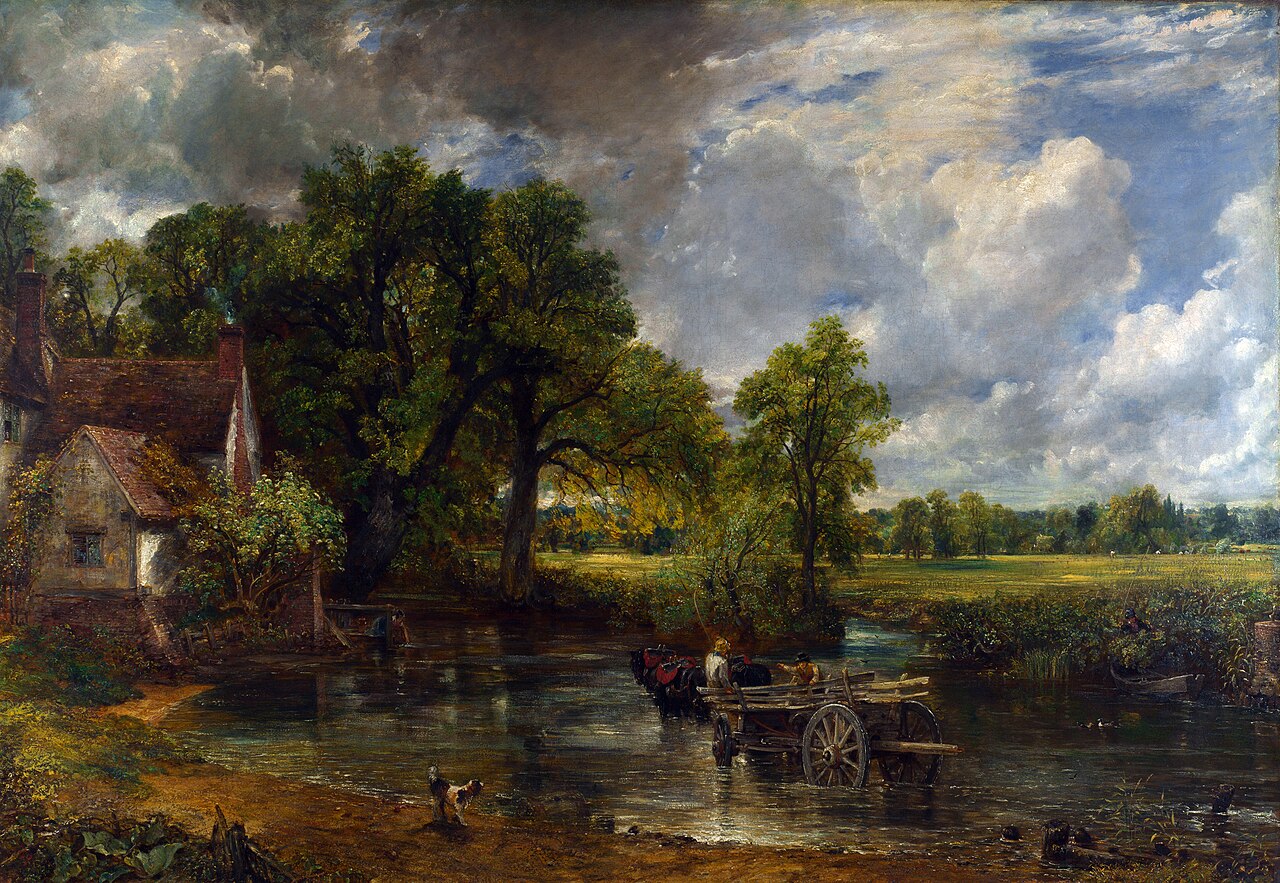
Return to The Hay Wain above. Look quietly for one whole minute. Then look away and describe the details you remember. How might this countryside feel to children arriving from London?
Music · Listen
Ralph Vaughan Williams · The Lark Ascending
Listen once for the whole. Let the solo violin be the lark rising.Nature · Go outside
Watch the weather or one living thing for ten minutes. Sketch or write a few true observations.
Open the nature study pages →History · Follow the story
Look at the photograph of children setting out with suitcases and gas mask boxes. What detail helps you imagine the Pearce children’s journey?
Explore the children who left London →History of government · The National ArchivesAnother connection
Write a letter from William, Edmund, or Anna to Miss Collins about the journey and their arrival.